
Table of Contents
Understanding Heat Pump vs Gas Furnace in California for 2026
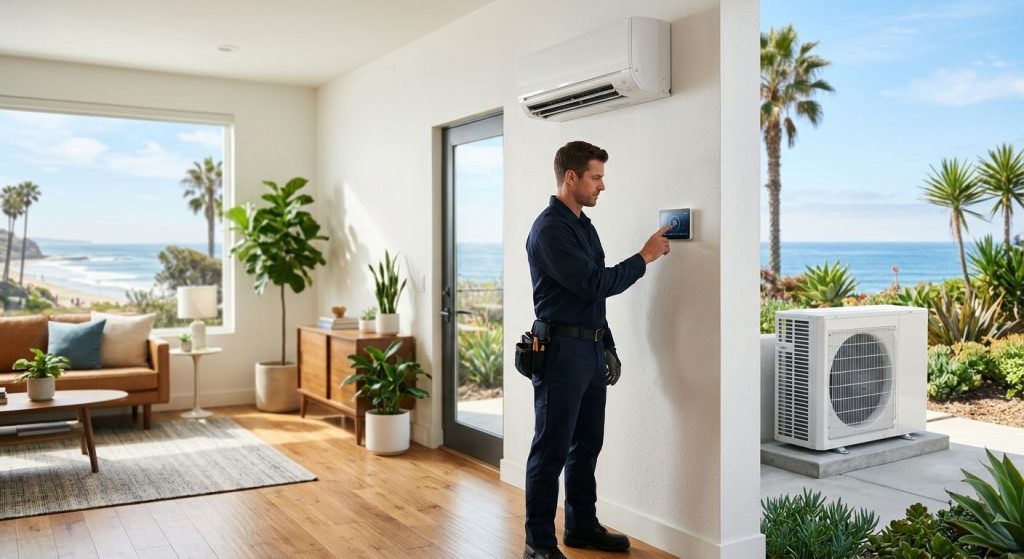
The heat pump vs gas furnace in California for 2026 is shaped by the 2025 California Energy Code, which took effect January 1, 2026, and encourages high-efficiency electric heat pumps through performance-based energy budgets for new construction and major renovations. According to the California Energy Commission, the updated standards aim to lower utility costs and reduce greenhouse gas emissions without mandating a specific fuel type. As a customer-focused heating and air-conditioning company serving Culver City and the Los Angeles area, we help homeowners navigate these regulatory changes. Operating costs remain a pivotal factor, and the efficiency improvements offered by modern heat pumps can translate into more predictable utility expenses over the life of the system.
Key Takeaways
- Pairing an electric heat pump with a gas furnace creates a hybrid system that can substantially reduce gas consumption during the mild coastal weather typical in the Culver City area.
- Considering the pros and cons of heat pump vs gas furnace installation in California involves more than just operating cost.
- Heat pumps can help keep the house warm in Culver City even on chilly days.
- When the homeowner is sure the heat pump will work in cold weather, the next step is to look at rebates that may help pay part of the installation cost.
- Beyond upfront incentives, high-efficiency heat pumps deliver decades of lower energy use and reliable performance in coastal climates.
1. Lower Operating Costs Year-Round
In addition to saving homeowners money on their annual heating costs, heat pumps also have the added benefit of saving homeowners money on their monthly bills. This makes them more attractive when compared to other options like the gas furnace when looking at total costs over time for homeowners.
Mini split systems are ductless, eliminating duct losses that can account for significant energy waste in central furnace systems. They also help Culver City residents save money each month because there isn’t as much energy needed when weather doesn’t require major cooling or heating.
The 2026 shift to A2L-classified refrigerants like R-454B, which has a global warming potential of just 466 compared to 2,088 for older R-410A, also boosts efficiency. Our company’s experience shows that these new systems perform better in humid coastal air, reducing compressor strain and keeping energy consumption low throughout the year.
However, if they’re using natural gas as their emergency source, combining this setup with heat pumps can reduce their gas consumption even more, creating a path toward near-total electrification of home comfort.
2. Lower Gas Bills with Hybrid Systems
Pairing an electric heat pump with a gas furnace creates a hybrid system that can substantially reduce gas consumption during the mild coastal weather typical in the Culver City area. The heat pump serves as the primary heating source for most of the year, while the gas furnace activates only during colder spells. This approach slashes overall gas usage, lowering monthly bills.
The 2025 California Energy Code goes into effect on Jan. 1, 2026, and promotes heat pump adoption and requires smart thermostats for dynamic pricing, shifting energy away from peak times to further lower gas bills. Modern systems use R-454B refrigerant (GWP 466) in place of older R-410A, requiring full equipment replacement. For systems located in coastal areas, variable-speed compressors fine-tune output for superior dehumidification and quieter operation.
Ductless mini-split configurations often maximize these efficiency gains by avoiding duct losses, and certified installations ensure eligibility for federal tax credits and LADWP utility incentives. Yet the best outcomes depend on careful evaluation of a home’s specific installation requirements and climate exposure.
3. Weigh the Benefits and Trade-offs
Considering the pros and cons of heat pump vs gas furnace installation in California involves more than just operating cost. It includes California’s evolving building codes and a shifting incentive landscape. In particular, the California Energy Commission’s 2025 Energy Code, effective January 1, 2026, encourages high-efficiency electric heat pumps for space and water heating while allowing natural gas furnaces to remain a compliant option. Federal residential energy tax credits expired at the end of 2025, removing a once-significant financial cushion for heat pump installations. Most remaining utility rebate programs also now require AHRI-matched equipment and a signed final building permit, an administrative layer that gas furnace replacements often bypass. These factors mean that the heat pump vs gas furnace efficiency conversation in California now must consider code alignment and incentive complexity alongside equipment performance. Cold-weather performance remains a significant trade-off, and our team helps Culver City homeowners evaluate whether a heat pump can match a gas furnace’s reliable output on the coldest winter days.
4. Reliable Heating Even During Cold Snaps
Heat pumps can help keep the house warm in Culver City even on chilly days. They can be variable-speed, ductless mini-split systems that don’t cycle up and down like other models, maintaining a consistent temperature while saving energy.
Advanced compressors also adjust their capacity, enabling systems to operate at lower noise levels when operating at low speed and to ramp up when temperatures fall.
Because ductless mini-splits lack long ducts, they avoid energy losses from that ductwork so more heat reaches living spaces. Since 2026, residential heat pumps are required to use the refrigerant R-454B and must be fully replaced rather than retrofitted, ensuring coils, compressors, and controls are matched to the refrigerant.
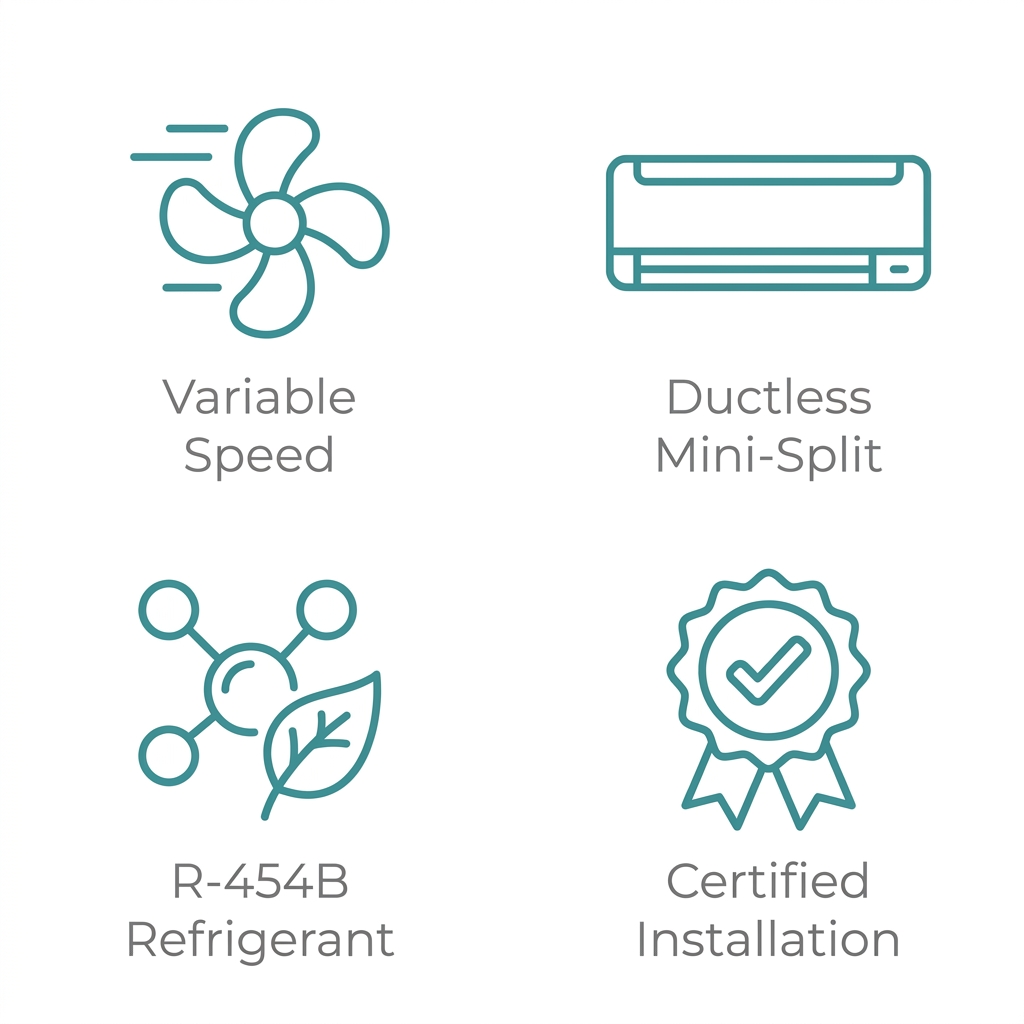
Certified installation is essential: our technicians verify outdoor unit siting, correct line-set sizing and insulation, and AHRI listings so systems perform as designed and qualify for available rebates and federal tax credits. Since 1998, we have helped Culver City homeowners enjoy a hassle-free and enjoyable heating experience.
5. Tap Into Available Incentives
When the homeowner is sure the heat pump will work in cold weather, the next step is to look at rebates that may help pay part of the installation cost. However, as of January 2026, both the state-wide rebates from TECH Clean California and the HEEHRA single family program have been claimed and there are none left available. The federal tax credit via 25C has also lapsed, since now all equipment installed on the house must have been done so before Dec. 31, 2025.
The main source of money that is offered are utility-specific rebates and ten out of twelve large California power utilities are still giving incentives for heat pumps. For those in Culver City, the LADWP gives a rebate for each ton of qualified central and ductless heat pump system between $1,000 and $2,500. The rebate application form typically requires an AHRI-matched equipment certificate and a finalized building permit. Because these utility incentives are tied to your specific electric service territory and generally cannot be stacked, we work to ensure you maximize the rebate available from your provider. Once we have determined which utility rebates apply to you, we turn our attention to the long-term usefulness and economic benefits of owning a heat pump.
6. Long-Term Savings and System Durability
Beyond upfront incentives, high-efficiency heat pumps deliver decades of lower energy use and reliable performance in coastal climates.
We also recommend variable speed heat pumps for houses in Culver City because they will produce only as much energy as you need at any time, thus avoiding the on-off cycles that can be harmful to your system’s lifetime. Moisture accumulation caused by the marine climate in the area could be avoided since there won’t be condensation inside the unit. Corrosion protection is another perk.
These ductless mini-split units get rid of the duct leakage and heat losses found in older homes, so the electricity they use goes down for years and years. The layout works really well here since we have moderate temperature loads and don’t need as much energy.
The shift to R-454B refrigerant mandates a full system replacement, ensuring that new hardware meets 2026 efficiency and safety standards. This upgrade path builds in lasting durability by replacing aging components with modern, corrosion-resistant materials.
Certified installation from us verifies your eligibility for rebates and tax credits. When a homeowner has all the information, they can decide what kind of heating system their house needs.
FAQs
How does a heat pump perform during occasional Los Angeles cold snaps?
A variable-speed ductless mini-split heat pump can keep the house warm during occasional Los Angeles cold snaps by maintaining a consistent temperature and ramping up when temperatures fall. Advanced compressors adjust capacity, and the absence of ductwork avoids energy losses so more heat reaches living spaces.
Will I save money on my gas bill by installing a hybrid HVAC system?
Yes, pairing an electric heat pump with a gas furnace creates a hybrid system that substantially reduces gas consumption and lowers monthly gas bills. The heat pump serves as the primary heating source most of the year, so the furnace activates only during colder spells.
What incentives are available for converting a home to all-electric HVAC?
Utility-specific rebates are the main incentives available for converting to all-electric HVAC. In Culver City, LADWP offers $1,000 to $2,500 per ton for qualified central and ductless heat pump systems. Statewide TECH Clean California and HEEHRA programs are fully reserved, and the federal tax credit has expired.
What are the Pros and Cons of Switching from Gas to Electric Heating?
Pros include alignment with the 2025 California Energy Code which encourages electric heat pumps, long-term utility bill savings, and reduced gas use with hybrid systems. Cons include expired federal tax credits, added rebate requirements like AHRI certification and building permits, and the possibility that heat pumps may not match gas furnace output on the coldest days.
Is a Heat Pump Cheaper to Operate than a Gas Furnace in Los Angeles?
Yes, a heat pump can be cheaper to operate over time, saving on annual heating costs and monthly bills compared to a gas furnace. Ductless mini-split systems eliminate duct losses, and R-454B refrigerant boosts efficiency, lowering energy use especially in Culver City’s mild coastal climate.
Make the Right Heating Decision for Your Home
As the factors of long-term savings and system durability guide your decision, the question of heat pump vs gas furnace in California in 2026 takes on new meaning. The California Energy Commission’s updated building code, effective January 1, 2026, encourages high-efficiency electric heat pumps for new construction and major renovations. Homeowners should carefully weigh upfront installation costs against projected energy savings over the life of the system, along with overall heating efficiency and environmental considerations. We invite you to contact our team to schedule a consultation and make an informed choice. Trademarks remain owned by their respective owners. Brand names are referenced for identification purposes only and do not imply endorsement or affiliation. Copyright 2026 © Culver City Heating & Cooling Climate Control.
Request Your Heating Consultation
You’ve examined the key factors in the heat pump vs. gas furnace decision—from lower operating costs and hybrid savings to available incentives in California. The California Energy Code now encourages high-efficiency heat pumps, making a well-informed choice even more important for your home. As a local HVAC company serving Culver City since 1998, we understand the unique needs of coastal homes in the Los Angeles area. Our certified technicians can evaluate your current system and recommend the solution that balances performance, efficiency, and long-term savings. Instead of navigating the installation and rebate requirements alone, let us help you take advantage of available utility programs. A professional assessment ensures your new system is properly sized and installed for reliable heating even during cold snaps. We’re ready to provide the straightforward, hassle-free experience Culver City homeowners have trusted for over 25 years. Contact us today to schedule your personalized heating consultation and start enjoying year-round comfort.
Request Your Heating Consultation